Discover Ghana

Culture &
Explore

From the drumbeats of Accra to the silence of the Sahel — experience the many faces of Ghanaian heritage.

scroll to explore

Explore by Theme

Six lenses into the Ghanaian way of life

Culture

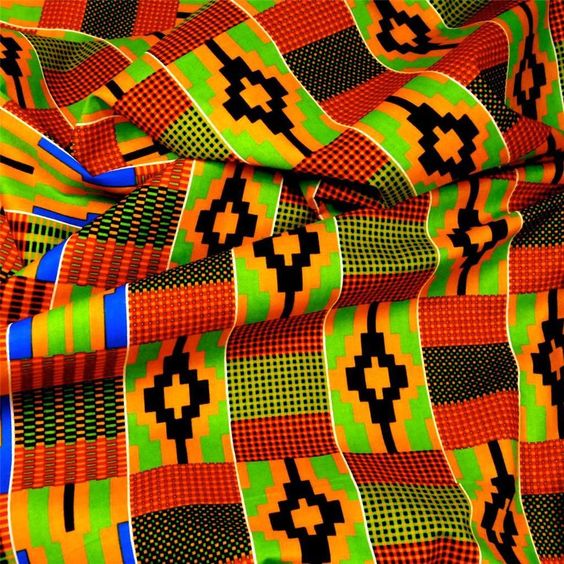
Kente: Cloth of Kings

Kente cloth is a highly revered hand-woven textile, originating from the Akan and Ewe people, often associated with wealth, social status, and royalty. Made from silk or cotton strips on horizontal looms, it features vibrant colors and intricate geometric patterns, primarily crafted in areas like Bonwire.

Explore
Food

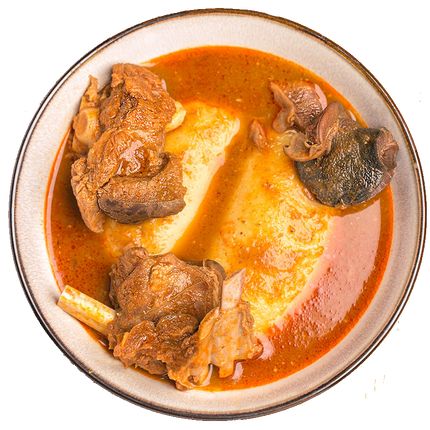
Fufu & Beyond

Ghanaian fufu is a popular, smooth, and stretchy starchy staple made by pounding boiled cassava and unripe plantain together. Traditionally associated with the Akan ethnic group, it is commonly served with soups like palm nut, groundnut, or light soup. It is non-fermented and has a soft texture.

Explore
Tradition

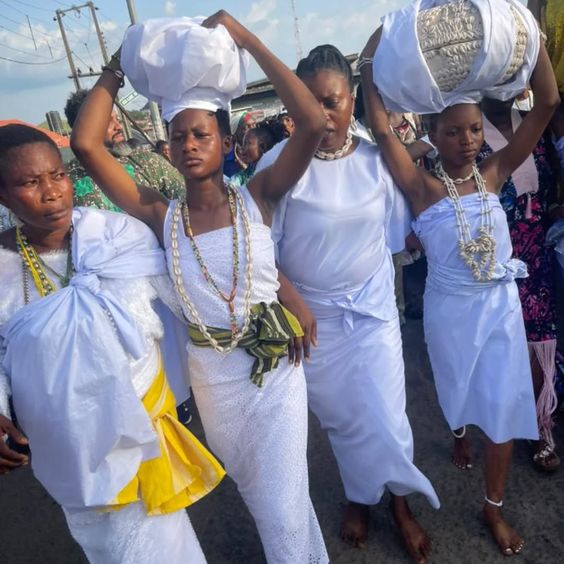
Rites of Passage

Rites of passage in Ghana are vital traditional ceremonies marking key life cycle transitions—birth, puberty, marriage, and death—which reinforce social values, community responsibility, and maturity. Key practices include the Dipo puberty rite for Krobo girls, baby naming ceremonies (outdooring), and traditional marriage rites, often involving purification, education, and community celebrations.

Explore
Festivals

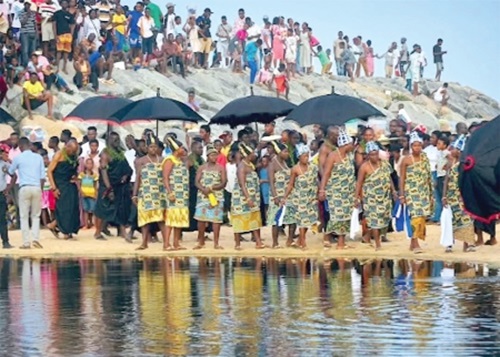
Homowo: Harvest of Joy

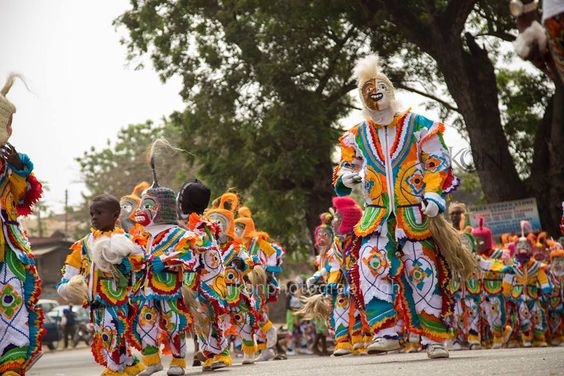
The Homowo Festival is a vibrant annual harvest celebration held by the Ga people in Ghana's Greater Accra Region during August and September. Translating to "hooting at hunger," it commemorates victory over a historical famine with rituals, traditional music, dancing, and the special dish kpokpoi, celebrating resilience and unity.

Explore
People

Faces of the North

Northern Ghana represents a diverse cultural landscape, characterized by a complex tapestry of languages, artistic traditions, and historical resilience. This region is primarily home to the Mole-Dagbani, Grusi, and Gurma ethnic groups, including the Dagomba and Frafra, who share related Gur linguistic backgrounds and a heritage of, often, agricultural lifestyles.

Explore
< src="images/From KlickPin CF Pin on Life Pulse Daily - Pin-929430441876128185.jpg" alt="">
Culture

Highlife: The Sound of Ghana

Highlife is the quintessential musical genre of Ghana, originating in the early 20th century along the coast, blending traditional Akan rhythms with Western instruments like guitars and horns. Known for its soulful melodies, intricate guitar work, and danceable beats, it serves as an "audio soundtrack to Ghana's history," influencing modern Afrobeats.

Explore
"
Ghana is not just a place — it is a feeling, a rhythm, a homecoming.
— Accra Cultural Foundation

Latest Stories

View all →
Food

The Smoky Magic of Kontomire Stew

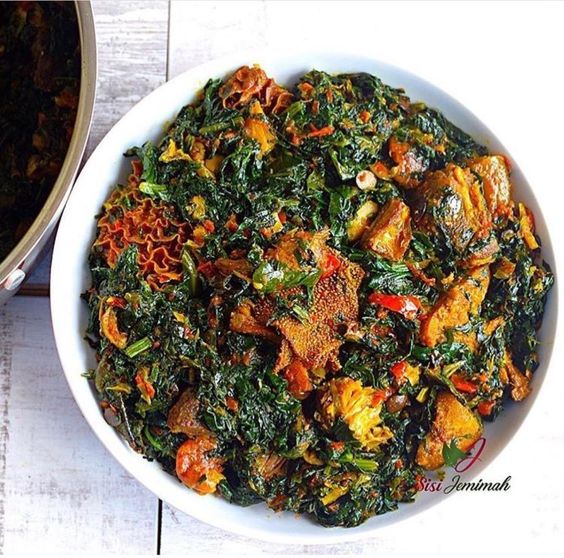
Taro leaves, smoked fish, and palm oil — a dish that turns humble ingredients into something extraordinary. Kontomire stew (also known as Palava Sauce) is a rich, earthy, and nutrient-dense Ghanaian dish made from cocoyam leaves (kontomire) and red palm oil, featuring a distinctive smoky flavor derived from traditional fish preparation.

Tradition

The Art of Adinkra Stamping

Each symbol pressed into cloth carries a proverb — a way of printing wisdom onto the body for funerals and festivals alike. Adinkra stamping is an ancient Ghanaian textile art form, primarily practiced by the Akan people of Ntonso and Asokwa near Kumasi. This labor-intensive process involves using hand-carved stamps to print traditional symbols onto cotton fabric, with each symbol conveying specific philosophical meanings, proverbs, or historical narratives

Festivals

Panafest: A Diaspora Homecoming

Every two years, Cape Coast becomes a gathering point for Africans from across the globe — a festival of remembrance and reunion. This biennial event is known as PANAFEST (the Pan-African Historical Theatre Festival), which takes place in Ghana, with its main activities in Cape Coast and Elmina.

Culture

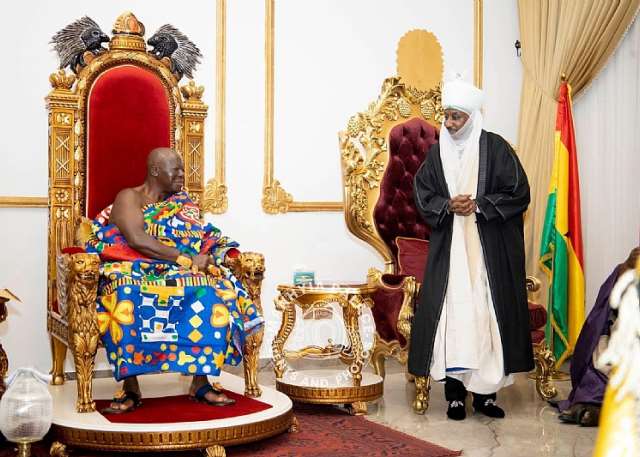
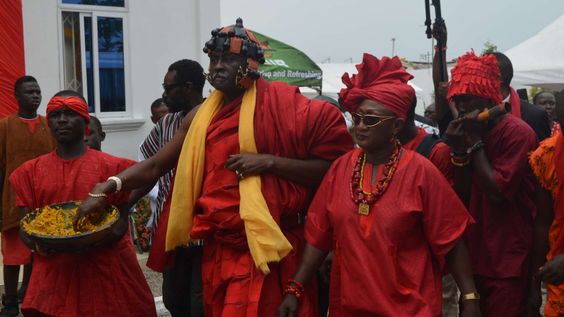
Chief's Court: A Living Parliament

The chieftaincy system in Ghana is widely recognized not merely as a ceremonial relic of the past, but as a robust and influential parallel governance structure. It operates alongside modern democratic institutions, deeply rooted in customary law and possessing significant legitimacy among the populace

People

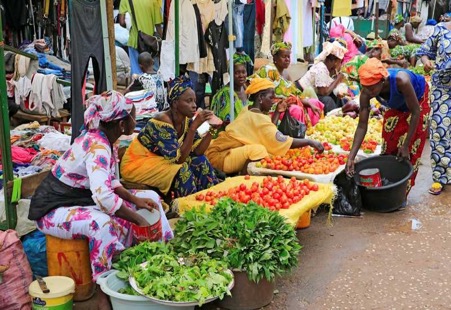
Women of the Market: Accra's True Economy

Economic Backbone: Market women, often led by powerful "Market Queens," manage trade networks that connect rural farmers to urban consumers. They play a crucial role in the informal sector, which constitutes roughly 80% of Ghana's total economy.

Tradition

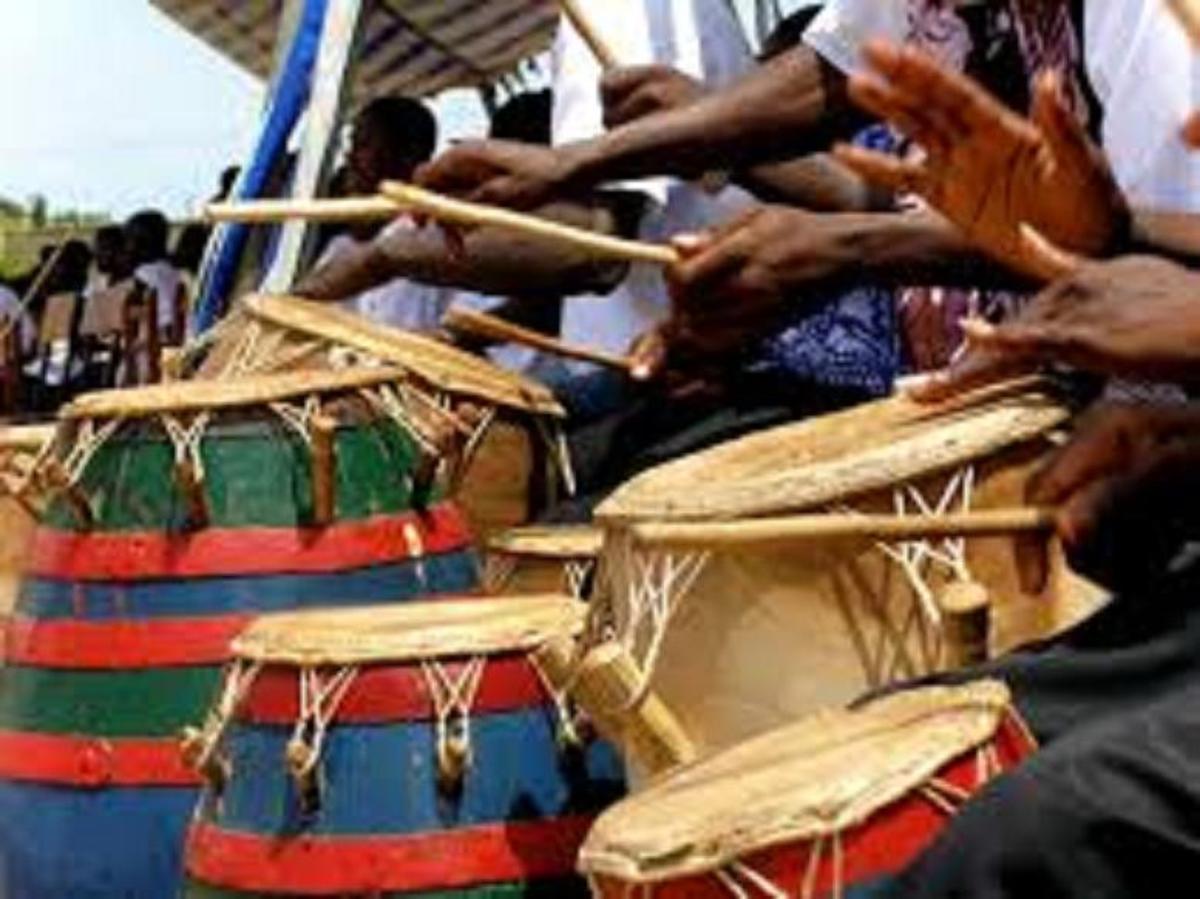
The Talking Drum: Language Without Words

Before phones, the fontomfrom drum carried royal proclamations for miles — its tones a second tongue for the Asante. The talking drum is a traditional West African hourglass-shaped instrument that functions as a sophisticated communication system, capable of mimicking the tonal patterns, rhythms, and intonations of human speech. Unlike other drums, it acts as a "language without words" by bending sound to convey specific messages, proverbs, and poetry over long distances.

Stay Connected to Ghana

Stories, festivals & cultural dispatches — delivered to your inbox.